Blog

  • Q&A on Teens and Sleep

    In general, we’ve seen an increase in anxiety amongst our younger patients. There are a number of reasons that we believe this has been the case. They include the isolation that the younger people experienced during Covid, the side effects that they experienced from not interacting with their friends during Covid and related difficulties. Lack…


  • A Q&A on Autonomous Sensory Meridian Response (ASMR)

    How does ASMR help people relax and fall asleep? There are a number of theories on how Autonomous Sensory Meridian Response (ASMR) improves sleep. The Sleep Foundation states that ASMR seems to stimulate areas of the brain which produces neorohormones associated with calming and sleep such as dopamine and oxytocin and endorphins. Among people who…

  • What You Should Know About EMDR Therapy

    According to the Cleveland Clinic, Eye Movement Desensitisation and Reprocessing therapy (EMDR) is a therapy method which asserts that traumatic memories are formed in a different manner than other memories and therefore need to be treated by a different type of therapy. The phases of EMDR treatment include accessing memories including via eye movements and…

  • Body Positivity

    Body positivity’s roots are not as well known as you might think, and are often disputed. But many agree that they started around 1969 when Bill Fabrey, a young engineer in New York, became upset about the way people were treating his wife who was overweight. Over time he launched what was then called the…

  • Bipolar Disorder Q&A

    Are there any misconceptions about bipolar disorder?Many people don’t realize that bipolar disorder can run in families. Data demonstrates that those with specific genes can have a bigger chance than others of having bipolar disorder. What are some signs of bipolar disorder that people may not realize?Many people think bipolar disorder is limited to swings…

  • A Q&A on Food Addiction

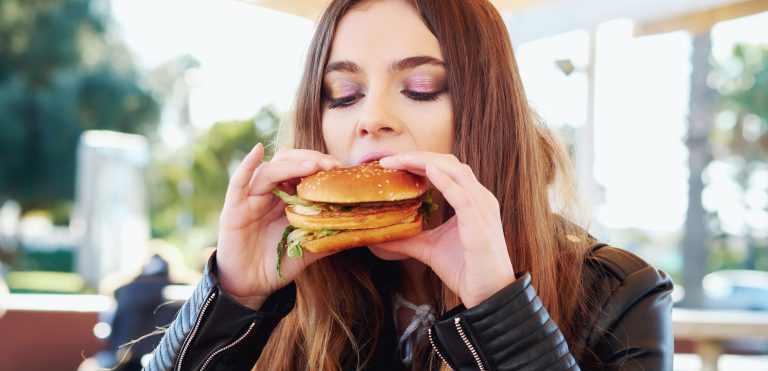
    For someone with a food addiction, will they eat because they’re unhappy and food seems like an aid to that problem?People can develop a compulsion or addiction to overeating for a number of reasons. Some people have a genetic disposition to develop addictive behaviors, for example. Sometimes people are struggling with stress and anxiety and…

  • Food Addiction

    We are starting to see increased support for the idea that people can be addicted to food. There are a number of reasons for this, including brain imaging and various studies demonstrating the way that food can stimulate the brain pleasure centers. This scientific evidence shows that humans and animals experience similar feelings of reward…