A Q&A on Food Addiction

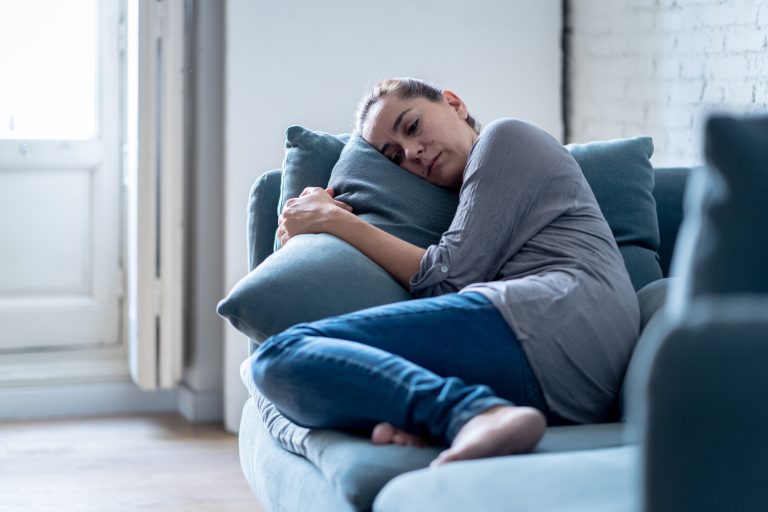
For someone with a food addiction, will they eat because they’re unhappy and food seems like an aid to that problem?
People can develop a compulsion or addiction to overeating for a number of reasons. Some people have a genetic disposition to develop addictive behaviors, for example. Sometimes people are struggling with stress and anxiety and even trauma and overeating allows them to avoid the pain associated with these conductions, if only momentarily. And then there are the chemical reasons, when certain ingredients in food – especially fat, sugar and salt – stimulate the pleasure centers of the brain and release “happy hormones” such as dopamine.

What guidance or help would you recommend?
People who struggle with overeating and weight gain should speak with their physician or other healthcare practitioner. Suffering in silence will not lead to a cure for such health challenges and there are treatments available these days, including relatively new medications such as Ozempic and Wegovy.

If someone manages to resolve that mindset and overcome the addiction, how can they be sure not to slip back into bad habits?
There are very few permanent solutions for what are often behavioral conditions, such as overeating. For that reason it’s imperative that those who have a food or a drug addiction be diligent in controlling their daily consumption, try and exercise and also visit with their doctor if what they are doing is not working.


Similar Posts

  • Sleep and Stress

    Stress often has a very negative effect on healthy sleep, impacting quality and duration. It does this in a number of ways, including extending how long it takes to get to sleep and fragmenting sleep. A lack of healthy sleep can then actually increase your stress levels and have a severe impact on physical and…

  • Postpartum Euphoria: A Primer

    Most people have at least heard of postpartum depression, but far fewer are aware of postpartum euphoria, also referred to as postpartum hypomania or “the baby pinks.” However, it is a serious mental health issue that can eventually result in postpartum psychosis. Often initially perceived as “super moms” who are energized and can function for…

  • Traveling and Mental Wellness

    Traveling offers a myriad of benefits for mental health. Stepping out of familiar surroundings and embracing new experiences can be a powerful antidote to stress and monotony. The exposure to different cultures, landscapes, and activities provides a refreshing change that stimulates the mind and ignites a sense of adventure. The break from routine allows individuals…

  • Bipolar Disorder Q&A

    Are there any misconceptions about bipolar disorder?Many people don’t realize that bipolar disorder can run in families. Data demonstrates that those with specific genes can have a bigger chance than others of having bipolar disorder. What are some signs of bipolar disorder that people may not realize?Many people think bipolar disorder is limited to swings…

  • Q&A on Medications for Teen Anxiety

    Q: How Is Anxiety Treated in Teens? A: Treatment for teen anxiety often involves therapy, such as cognitive-behavioral therapy (CBT), which helps identify and manage anxious thoughts. Medications may also be prescribed in more severe cases. A healthy lifestyle with regular exercise, sufficient sleep, and a balanced diet can also contribute to better anxiety management….