The Covid pandemic really scrambled a lot of our traditional social cohesion. There are a number of potential reasons for why people might be socializing less. They include fears of getting sick, for one. In addition, many people are no longer working at the office. Instead they are working from home, which cuts down on social interaction as well as opportunities to go “out on the town” with your colleagues after work. And the third factor that I think is important to consider is the vocational insecurity that a lot of people are feeling given a lot of the layoffs at companies. It’s hard to socialize with your friends and spend money on restaurants or trips when you’re worried that you might be laid off at any minute. Given all this. It’s not surprising that a recent poll shows that fully 42% of Americans state they are less sociable than before Covid and 36% respond that their quality of life is worse off now and 30% think they are more anxious now.
Similar Posts
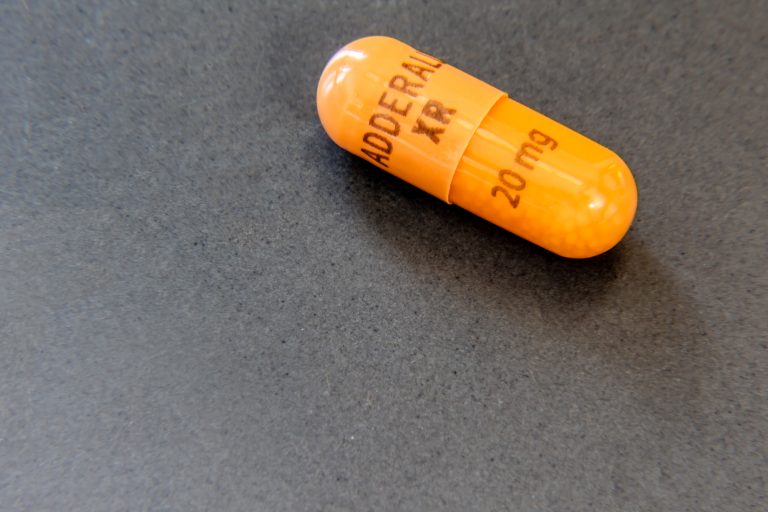
ADHD Treatment and the Adderall Shortage
We have recently seen some patients struggling to find Adderall. Last October the Food and Drug Administration announced there was a nationwide Adderall shortage. Some of the problems that created this shortage started with production issues at pharmaceutical companies, but it has also been driven by a supposed shortage of ingredients that go into the…
Q&A on Teens and Sleep
In general, we’ve seen an increase in anxiety amongst our younger patients. There are a number of reasons that we believe this has been the case. They include the isolation that the younger people experienced during Covid, the side effects that they experienced from not interacting with their friends during Covid and related difficulties. Lack…
Women, Men and PTSD Q&A
Why are women more likely to develop PTSD than men?Women are more than two and a half times as likely to develop PTSD than men: 10% for women vs. 4% for men. And there are a number of reasons women experience PTSD more frequently than men:Women are more likely to experience sexual assault than men,Being…
MDMA to treat Depression and PTSD
Data published in Nature Medicine magazine shows us that MDMA can help significantly cut down on PTSD symptoms in study participants. More specifically, the outcomes showed that using MDMA as part of your treatment regimen positively effected functional impairment including in the personal and professional lives of participants. The outcomes demonstrated that over 85% of…
All About Psilocybin
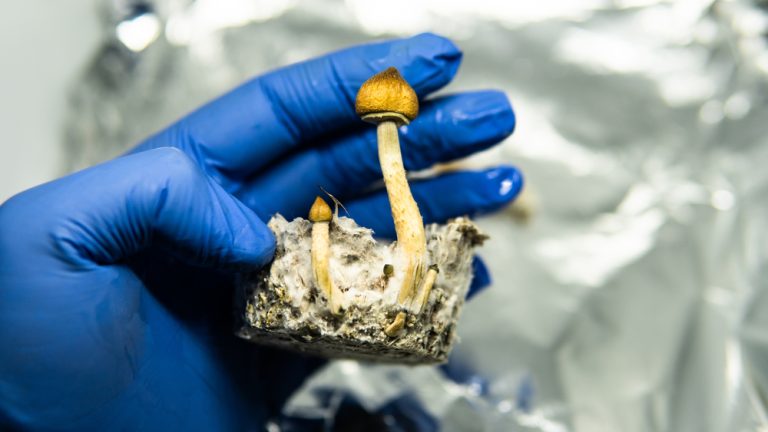
Psilocybin, a naturally occurring psychedelic compound found in certain mushrooms, has gained increased attention in America for its potential therapeutic benefits. While psilocybin remains classified as a Schedule I substance at the federal level, some states and cities are exploring decriminalization and regulatory measures. Research into psilocybin’s therapeutic effects has shown promising results, particularly in…
Ketamine and It’s Safe Use
Ketamine is an unusual type of psychedelic drug — referred to as a dissociative — that has been used in hospitals and clinics as an anesthetic for decades. It is now approved for treatment-resistant depression (TRD), including for people with suicidal thoughts, but a much lower dose of ketamine is given for depression compared with…