Similar Posts
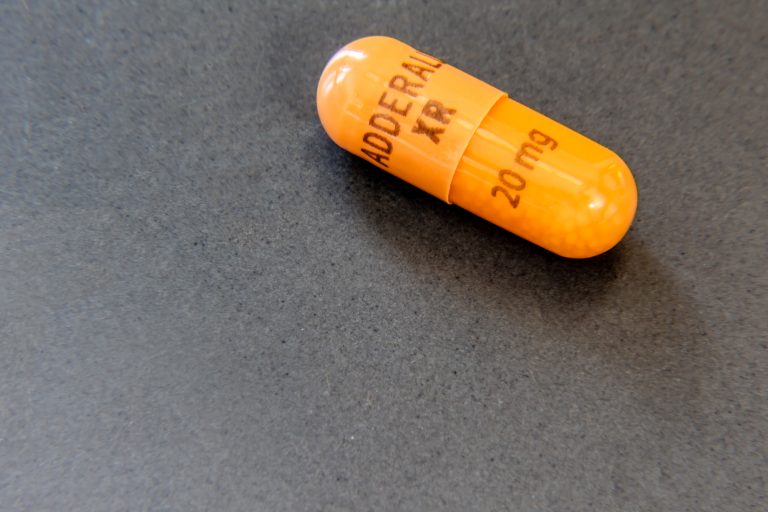
ADHD Treatment and the Adderall Shortage
We have recently seen some patients struggling to find Adderall. Last October the Food and Drug Administration announced there was a nationwide Adderall shortage. Some of the problems that created this shortage started with production issues at pharmaceutical companies, but it has also been driven by a supposed shortage of ingredients that go into the…
Ketamine for Depression: What does it have to offer you?
Initially developed as an anesthetic or pain reliever in the 1950s and 1960s, Ketamine was first approved for use in humans by the Food and Drug Administration (FDA) in 1970 and has been studied for use against depression since that time, especially in the last 10 or 12 years. And there are now extensive studies…
Has Covid Undercut Social Cohesion and Boosted Anxiety?
The Covid pandemic really scrambled a lot of our traditional social cohesion. There are a number of potential reasons for why people might be socializing less. They include fears of getting sick, for one. In addition, many people are no longer working at the office. Instead they are working from home, which cuts down on…
Violent Programs that Actually Help Relax Us
Dr. Thema Bryant recently explained on a podcast with Mel Robbins that treating true crime shows as a way to relax before bed could mean that the trauma portrayed in the show is “familiar” to the observer and could be a sign that they need counselling. Given these assertions, some are wondering why experiencing trauma…
Natural Remedies for Depression
There are lots of natural remedies promoted for depression – but that does not mean they actually work. For example, regarding herbal remedies, the National Institutes of Health cites a large 2018 study (Yeung, Hernandez, et al) which concludes available evidence suggests there is some “utility of some herbal medicines in mitigating anxiety and depression,…
Serotonin Primer
Serotonin is central to many of our behavioral responses. In fact, serotonin has been implicated in practically every type of human behavior, including appetitive, emotional, motor, cognitive and autonomic. The Cleveland Clinic goes so far as to refer to serotonin as your body’s natural “feel good” chemical because of how it helps regulate our moods….